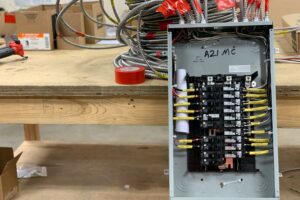

Winter weather can be tough on more than just people and buildings. Cold temperatures, moisture, wind, and fluctuating weather conditions can put additional stress on electrical systems—especially in commercial, industrial, and manufacturing facilities.
While Georgia winters may not bring extreme cold every day, freezing temperatures and severe winter weather can still create electrical problems when systems have not been properly maintained.
For businesses, an electrical failure during the winter can mean more than an inconvenience. Equipment downtime, production delays, safety hazards, and costly emergency repairs can all result from an electrical system that wasn’t prepared for the season.
Here are some of the ways winter weather can affect electrical systems and why preventative maintenance is so important.
Cold Temperatures Can Stress Electrical Components
Electrical equipment is designed to operate within specific temperature ranges. When temperatures drop, certain components can become more susceptible to problems.
Cold temperatures can affect wiring, connections, circuit breakers, transformers, control panels, and other electrical equipment. Materials can contract as temperatures fall, potentially contributing to loose connections or changes in electrical resistance.
For industrial facilities, these issues can be especially important because electrical systems often operate continuously and power large motors, production equipment, pumps, HVAC systems, and other critical machinery.
Routine inspections can help identify loose connections, damaged components, and other potential problems before they lead to equipment failure.
Moisture and Condensation Can Create Electrical Problems
Winter weather can bring rain, freezing temperatures, and significant temperature changes. When warm equipment or electrical enclosures are exposed to colder conditions, condensation can develop.
Moisture and electricity are a dangerous combination. Water intrusion or condensation inside electrical panels, junction boxes, disconnects, and other equipment can contribute to corrosion, short circuits, equipment damage, and electrical hazards.
Outdoor electrical equipment should be inspected regularly to make sure enclosures, covers, seals, and conduit are in good condition.
Winter Storms Can Damage Electrical Infrastructure
Strong winds, heavy rain, ice, and other severe weather can damage electrical infrastructure.
Outdoor electrical equipment, service connections, lighting, conduit, and wiring can be exposed to falling branches, water, wind, and other hazards. A damaged component may not immediately cause a complete electrical failure, but it can create a dangerous condition that becomes worse over time.
After a significant storm, businesses should have their electrical systems inspected if there is any indication of damage.
Increased Heating Loads Can Put Additional Demand on Electrical Systems
During colder weather, businesses typically rely more heavily on heating equipment. Electric heaters, heat pumps, HVAC systems, and other equipment can increase electrical demand.
If an electrical system is already operating near its capacity, increased winter demand can contribute to overloaded circuits, nuisance breaker trips, overheating, or equipment failures.
Commercial and industrial facilities should make sure electrical distribution systems are properly sized for the equipment they are operating.
A professional electrical inspection can also identify aging components or connections that may not be able to handle increased loads safely.
Cold Weather Can Affect Motors and Industrial Equipment
Industrial facilities often rely on electric motors to keep production moving. Cold temperatures can affect motors and the equipment connected to them, particularly when machinery is located in areas exposed to the elements or significant temperature changes.
Motor controls, starters, variable frequency drives (VFDs), disconnects, and associated wiring should all be inspected as part of a preventative maintenance program.
For facilities where production depends on motor-driven equipment, identifying electrical problems before a motor or control system fails can help prevent costly downtime.
Outdoor Lighting Becomes Even More Important
Winter brings shorter daylight hours, making reliable exterior lighting especially important for commercial and industrial properties.
Parking lots, walkways, loading areas, warehouses, and facility entrances should have adequate lighting to help employees, customers, vendors, and visitors safely navigate the property.
A preventative inspection can identify burned-out fixtures, damaged wiring, failing photocells, loose connections, and other lighting problems.
Preventative Maintenance Can Help Avoid Costly Downtime
One of the best ways to protect an electrical system during winter is to address problems before severe weather arrives.
Preventative electrical maintenance may include:
- Inspecting electrical panels and distribution equipment
- Checking connections for signs of looseness or overheating
- Inspecting outdoor electrical equipment for water intrusion
- Checking conduit, junction boxes, and enclosures
- Testing circuit breakers and protective devices
- Inspecting motors and motor-control equipment
- Evaluating electrical loads
- Inspecting exterior and security lighting
- Identifying damaged or deteriorated wiring
- Checking equipment for signs of corrosion or moisture damage
The specific maintenance requirements will vary depending on the facility, equipment, age of the electrical system, and operating environment.
Don’t Wait for an Electrical Emergency
Winter weather doesn’t have to cause an electrical emergency. Regular inspections and preventative maintenance can help businesses identify potential problems before they turn into equipment failures, safety concerns, or unexpected downtime.
For commercial and industrial facilities, a proactive approach to electrical maintenance can provide greater reliability throughout the winter months and help extend the life of valuable electrical equipment.
If your facility hasn’t had an electrical inspection or preventative maintenance check recently, winter is a good time to evaluate the condition of your system and address potential problems before they become emergencies.
A little preventative maintenance today can help keep your business powered, productive, and operating safely all winter long.