
Discover how warehouse electrical upgrades can lower energy costs, improve efficiency, reduce downtime, and support future growth. Learn which upgrades deliver the best ROI.
How Modernizing Electrical Systems Can Reduce Operating Costs and Improve Warehouse Performance
Warehouses are among the most energy-intensive commercial facilities. From lighting and HVAC systems to conveyor equipment, charging stations, and automated technologies, electrical infrastructure plays a critical role in daily operations. Unfortunately, many warehouses are operating with outdated electrical systems that consume excess energy, increase maintenance costs, and limit operational efficiency.
Investing in warehouse electrical upgrades is one of the most effective ways businesses can reduce operating expenses, improve reliability, and support future growth. Whether you manage a distribution center, manufacturing facility, or storage warehouse, modernizing your electrical infrastructure can deliver significant long-term savings and increased efficiency.
Why Older Electrical Systems Cost More
Warehouse facilities that were built decades ago were not designed to support today’s energy demands. Aging electrical panels, inefficient lighting, outdated wiring, and overloaded circuits often result in:
- Higher monthly utility bills
- Increased equipment downtime
- Frequent maintenance and repairs
- Reduced system reliability
- Difficulty integrating new technologies
As energy costs continue to rise, these inefficiencies can have a major impact on a company’s bottom line.
LED Lighting Upgrades: One of the Fastest Returns on Investment
Lighting typically accounts for a substantial portion of warehouse energy consumption. Replacing older fluorescent, metal halide, or high-pressure sodium fixtures with LED lighting can dramatically reduce energy usage.
Benefits of LED warehouse lighting include:
- Up to 75% lower energy consumption
- Longer fixture lifespan
- Reduced maintenance costs
- Improved visibility and workplace safety
- Better light quality for employees and inventory management
Many warehouse operators see an immediate return on investment through reduced utility and maintenance expenses after upgrading to LED lighting.
Electrical Panel Upgrades Improve Performance
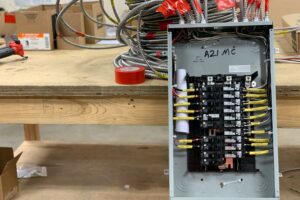
Older electrical panels may struggle to handle modern warehouse operations. As facilities add automation equipment, charging stations, conveyor systems, and advanced technology, electrical demand often exceeds the capacity of existing infrastructure.Upgrading electrical panels can provide:Improved energy distributionReduced risk of overloadsGreater system reliabilityEnhanced safety and code complianceCapacity for future expansionA properly designed electrical system helps prevent costly interruptions that can disrupt operations and productivity.
Smart Lighting Controls Maximize Efficiency
Beyond upgrading fixtures, smart lighting controls can further reduce energy waste.
Advanced systems can include:
- Motion sensors
- Occupancy sensors
- Daylight harvesting controls
- Automated scheduling systems
These technologies ensure lighting is only used when and where it is needed, helping warehouses avoid paying for unnecessary energy consumption in low-traffic areas.
Energy-Efficient Equipment Reduces Power Consumption
Modern electrical upgrades often include improvements to equipment efficiency.
Examples include:
- Variable Frequency Drives (VFDs)
- High-efficiency motors
- Automated control systems
- Smart energy monitoring solutions
These technologies allow warehouse equipment to operate more efficiently by adjusting power usage based on actual demand rather than running at full capacity continuously.
The result is lower energy consumption and reduced wear on equipment.
Power Quality Improvements Protect Valuable Equipment
Power fluctuations, voltage drops, and electrical surges can damage sensitive warehouse equipment and lead to unexpected downtime.
Electrical upgrades such as:
- Surge protection systems
- Power conditioning equipment
- Dedicated circuits
- Improved grounding systems
Maintaining stable power quality while protecting critical assets from costly damage.
Supporting Warehouse Automation and Future Growth
As warehouses increasingly adopt automation, robotics, and electric vehicle charging infrastructure, electrical systems must evolve to support these technologies.
A comprehensive electrical upgrade prepares facilities for:
- Automated storage systems
- Conveyor networks
- Robotics integration
- EV fleet charging stations
- Advanced inventory management technology
Planning ahead helps businesses avoid costly emergency upgrades as operational demands continue to grow.
Available Utility Incentives and Rebates
Many utility providers offer rebates and incentive programs for energy-efficient upgrades, including LED lighting installations, control systems, and equipment modernization.
Working with an experienced commercial electrician can help warehouse operators identify available incentives and maximize their return on investment.
Partner with an Experienced Commercial Electrician
Warehouse electrical upgrades are more than a maintenance project—they are a strategic investment in operational efficiency, reliability, and long-term cost savings.
An experienced commercial electrical contractor can assess your facility, identify areas of inefficiency, and develop a customized upgrade plan that aligns with your operational goals and budget.
By modernizing your warehouse electrical systems today, you can reduce energy costs, improve performance, and position your facility for future growth.
Ready to Improve Your Warehouse’s Energy Efficiency?
If your warehouse is experiencing rising energy costs, outdated electrical infrastructure, or capacity limitations, our team of commercial electricians can help. Contact us today to schedule an electrical assessment and discover how targeted upgrades can reduce operating expenses while improving overall facility performance.